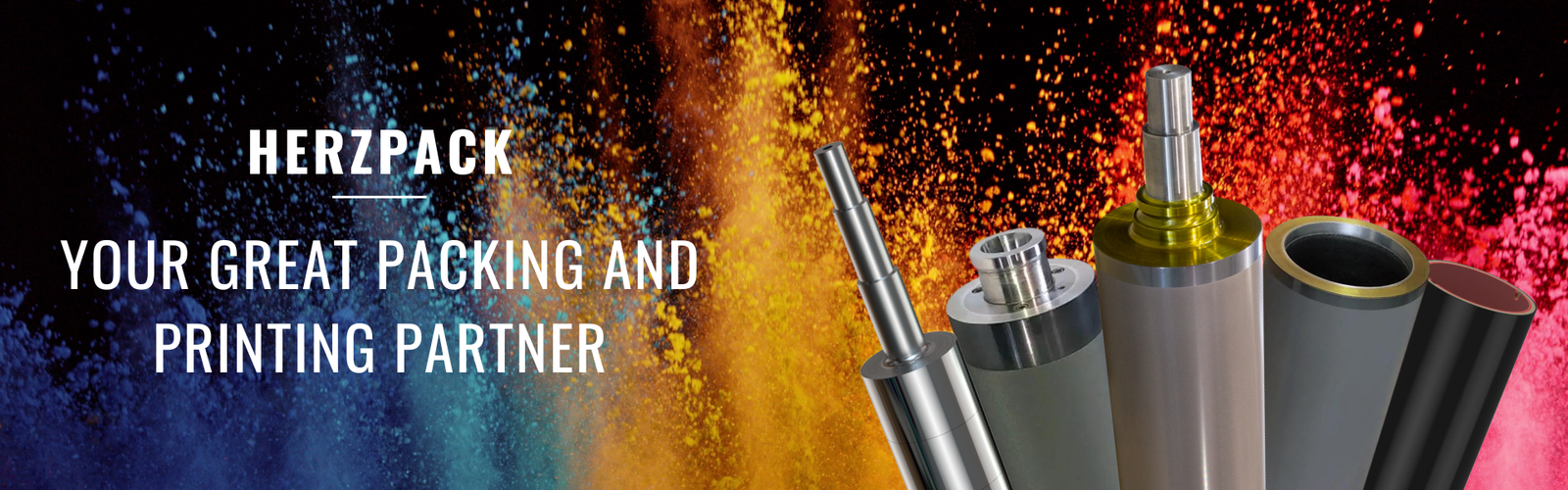
The magnetic roller and flexible blade form an inseparable golden duo in modern rotary die-cutting systems. Each component performs its specific function, working in synergy to achieve high-speed, high-precision material cutting through a perfect balance of rigidity and flexibility.
Below is a detailed comparison of their parameters and practical applications across various industries:
I. Comparative Analysis of Depth Between Magnetic Rollers and Flexible Blades
| Comparison Dimension | Magnetic Cylinder | Flexible Die Blade/Blade Skin |
| essential attributes | High-precision hardware base equipment constitutes fixed assets of the die-cutting machine. | Customized thin-slice consumable tools that can be replaced according to the die-cut pattern. |
| Main Material | Made of high-chromium stainless steel and high-permeability ferromagnetic material, with built-in powerful neodymium iron boron permanent magnets. | High-strength spring steel and alloy steel, which can be coated with anti-adhesion and wear-resistant finishes. |
| Key Indicator | Magnetic attraction force (typically ≥ 9.1 N/cm²); round runout tolerance (TIR ≤ ±0.002 mm). | Blade height (typically 0.32 mm to 1.5 mm), angle (30° to 110°), and flatness. |
| production engineering | Mechanical turning, precision grinding, magnetization assembly, balance calibration. | Computer-aided drawing with micron-level chemical etching and CNC-controlled engraving edges. |
| Life and Maintenance | Extremely long (over 10 years). Care should be taken to avoid impacts on the shoulder support, prevent rusting, and minimize bearing wear. | Shorter (from tens of thousands to hundreds of thousands of revolutions). It is a material prone to dulling and is significantly affected by material hardness and pressure. |
| Cost Budget | Although the initial investment cost is high, it is a standard component for long-term use in equipment. | With lower unit costs compared to traditional solid-round knives, it is ideal for rapid prototyping and multi-product manufacturing. |
| way to install | The entire unit is securely mounted on the die-cutting machine base and rotates via a precision gear mechanism. | It is automatically magnetically attached to the roller surface and quickly affixed along the alignment marks. |
II. Core Application Details (By Industry)
The combination of these two technologies is widely used in high-speed assembly processes across various fields such as labeling, printing, electronics, medical applications, and automotive manufacturing.
1. Adhesive Labels and the Packaging Printing Industry
- Typical products: daily chemical product labels, logistics barcodes, anti-counterfeiting labels, wine labels, and envelope stitching materials.
- Application Benefits:
- Kiss-cutting control: The flexible blade’s micron-level precision enables accurate cutting through the upper material layer and adhesive without damaging the base paper.
- Fast production changeover: For label orders with multiple SKUs and small batches, operators simply remove the old blade cover and install a new one within minutes, eliminating the need to disassemble heavy magnetic rollers and significantly reducing downtime.
2. Die-cutting of 3C Electronics and Semiconductor Materials
- Typical products: internal ink pads for mobile phones, graphite heat sinks, conductive fabric, double-sided back adhesive, protective films, and shock-absorbing foam. Application advantages:
- Multilayer complex structure cutting: The internal structure of electronic components is highly intricate. By customizing flexible blades with varying blade heights, specialized processes such as full local cutting or partial local cutting can be achieved.
- Non-adhesive and anti-static properties: When processing highly adhesive 3C tapes, the surface of the flexible blade can be coated with a fluorine layer or a Teflon-based non-adhesive layer to prevent material from sticking to the cutting edge.
3. The Field of Medical and Sanitary Products
- Typical products: band-aids, medical dressings, blood glucose test strips, protective masks, and adhesive patches.
- Application Benefits:
- Clean production: The combination of flexible blades and magnetic rollers operates without generating metal debris. Supported by stainless steel and specialized anti-corrosion coatings, they fully comply with the hygiene standards of medical cleanrooms.
4. Automobiles and Industrial Manufacturing
- Typical products: automotive body sound insulation gaskets, flame-retardant foam, masking tape, and dashboard back adhesive.
- Application Benefits:
- For heavy materials: When working with thick industrial foam or gaskets, use a flexible blade with an increased cutting edge height (e.g., 1.2–5 mm) paired with a large-diameter magnetic roller to achieve robust deep stamping and cutting.
III. Key Maintenance Techniques for On-Site Use
To maximize the processing efficiency of this “golden duo,” the following points are crucial in practical implementation:
- Prevention of minor rust spots: Even the presence of invisible rust spots as small as 10 μm on the surface of the magnetic roller can cause localized elevation of the attached flexible blades, resulting in uneven die-cutting depth. After removal from the machine, the surface must be cleaned with alcohol, coated with anti-rust oil, and stored in a protective container.
- Clean the surface of the roller: Before attaching the flexible blade, ensure that the magnetic roller surface is free of adhesive residues or metal debris; otherwise, these may directly damage the blade surface or prevent proper cutting performance.
- Appropriate base roller pressure: Never blindly increase the machine pressure to address cutting difficulties, as excessive pressure accelerates blade edge wear on flexible blades and may even cause axial deformation or bending of the magnetic roller.
- The issue of cost-effectiveness when making a purchase
Regarding the pricing and application scenarios for these two products, we recommend opting for the more durable magnetic rollers when handling large cutting materials or requiring frequent use, while choosing the cost-effective flexible blades for precision cutting tasks or infrequent, flexible applications.